Well-being advice for Young People
It’s not always easy to look after our wellbeing… or to know where to start. Remember that good days for your wellbeing won’t always look the same. We don’t always have the same levels of energy or motivation. Be kind to yourself and do what feels right for you at the moment.

Taking care of you
Trauma can cause strong feelings and difficult experiences. It can take time and support to be able to recover. But there are things you can try that might help with how you’re feeling.
These resources are healthy coping strategies for you to incorporate into your everyday life, to help cope with difficult feelings in the moment and to support your body with its journey towards healing.
If you find your coping strategies don’t work in certain circumstances, it may be worth reaching out for further support.
Remember, you are not alone and help is available.

Journaling
Journaling is when you keep a record of the different things that happen in your life, how you’re feeling, and any thoughts you’re having.
Writing things down regularly can help when you’ve been feeling low or stressed. It can help you to think about the things that have been happening and see them in new ways, it can also make it easier to see patterns or triggers for difficult feelings.
Art is an excellent creative way of showing how you’re feeling. It can help when you’re struggling to find the words to say how you feel.
You could also draw to distract yourself from negative emotions, to express how you’re feeling, or just to keep your hands busy.

Grounding Techniques
After a trauma, it’s normal to experience flashbacks, anxiety, and other uncomfortable symptoms. Grounding techniques help control these symptoms by turning attention away from thoughts, memories, or worries, and refocusing on the present moment.
We have created a care pack for you to download called the Stabilisation care pack.
This includes a range of practical ideas, tools, and activities to help you cope with the trauma you’ve experienced. Going through trauma can bring up really strong emotions like fear, anger, sadness, or confusion, and it can sometimes feel overwhelming or hard to understand. Healing doesn’t happen overnight, and it’s okay to take things at your own pace.
The grounding techniques in this pack are designed to give you simple, healthy ways to cope with tough moments. They can help you manage intense feelings when they come up, feel a bit more in control, and create a sense of calm and safety. Some of these strategies might work better for you than others, and that’s okay—this is about finding what feels right for you.
Over time, using these tools can help support both your mind and body as they begin to heal. You’re not expected to have everything figured out—just taking small steps can make a difference.

Self-Soothing
Self-soothing means using different techniques to help calm yourself down when you’re feeling stressed, upset, or overwhelmed. Building self-soothing skills can help you cope with challenges, feel more in control of your emotions, and handle stressful situations in a healthier way.
The Butterfly Hug is a self-soothing technique often used in trauma therapy. This technique involves crossing your arms over your chest and gently tapping your shoulders in an alternating pattern. The Butterfly Hug mimics a nurturing touch and helps survivors calm their nervous system during flashbacks or anxiety.
You could also create your own personal self-soothing kit. This is a collection of personal items that help you feel calm when you’re stressed or overwhelmed. It can include things that comfort your senses, like a soft object, a favourite scent, music, photos, or small stress-relief tools. Choose items that feel meaningful to you and keep your kit somewhere easy to reach. Using it can help you manage your emotions and build useful coping skills for the future.
Self Care
Self-care is about taking time for yourself to stay grounded, especially when life gets overwhelming. It’s important for your mental health.
Self-care can look different for everyone. While some may enjoy a bath or face mask, for others it’s about listening to how they feel and giving themselves what they need. Self-care might be taking a break, doing something you enjoy, or simply ensuring you eat and sleep well.
What matters is how it helps you feel, not what it looks like.
Young Minds explores self-care and how it can help in more detail HERE.

Struggling to sleep
Trauma can impact us in many ways, one of which is with our sleep! We cant escape it, we need sleep to function day to day and to support our well-being.
You may experience nightmares following the sexual abuse, which may wake you and stop you from wanting to go back to sleep.
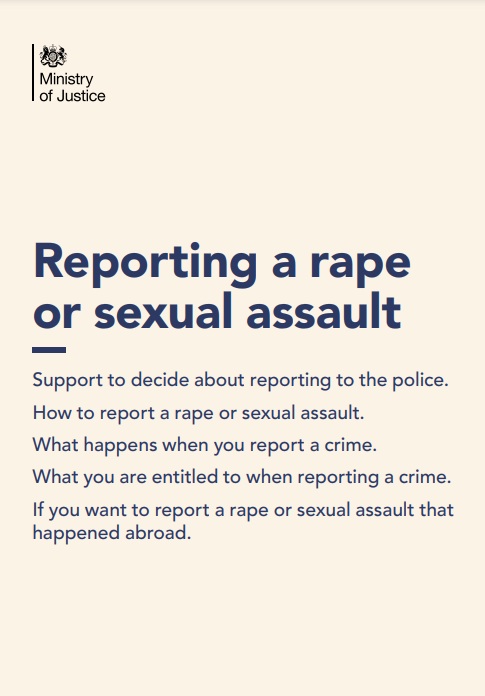
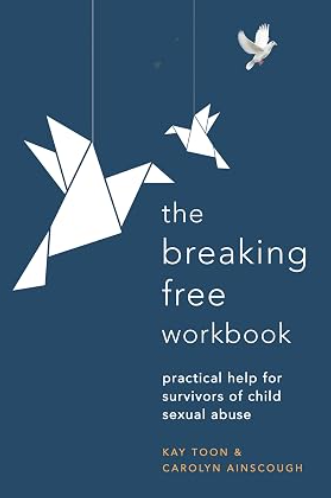
If you’re struggling with your sleep it is important to address your worries, but also to look at how you can improve your sleep pattern. Below are resources you may find useful from The Sleep Charity and Rape Crisis.

Information and Guidance
More information
Dealing with triggering media
This page has been created to offer gentle guidance and supportive strategies to help you look after your emotional wellbeing when you encounter this kind of content. You are in control of what feels safe for you, and it is okay to step back or take a break whenever you need to.

If you have been recently assaulted
If you have recently been assaulted you may wish to report it to the police by calling them directly. If you are not sure about contacting the police please consider contacting your local Sexual Assault Referral Centre (SARC). Your immediate health and forensic needs will be met through attending a SARC, it is important that this is done as…

Myths vs Facts
It’s common for misconceptions about sexual abuse and sexual violence to shape how people think, talk, and respond to survivors. These myths can create barriers to seeking support, increase feelings of isolation, and sometimes lead to victim-blaming attitudes. At RASASC Cheshire & Merseyside, we want to challenge these misunderstandings and replace them with accurate, compassionate…
What our service users say