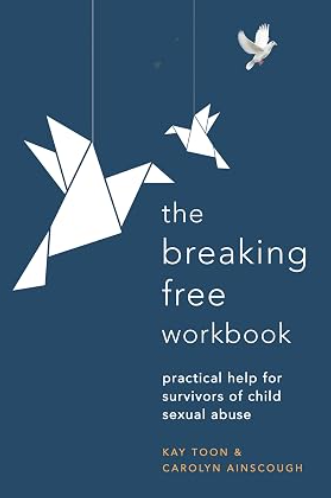
When someone you care about shares that they have experienced sexual violence, it can be difficult to know what to say or do. You may feel a mix of emotions such as concern, anger, sadness, or even uncertainty. What matters most in that moment, and beyond, is how you respond to them.
Listen Without Judgement
One of the most powerful things you can do is simply listen. Allow your loved one to share as much or as little as they want, in their own time. Avoid interrupting or asking probing questions. Your role is not to investigate, but to support.
Believe Them
Survivors are often met with doubt or disbelief, which can deepen their trauma. Let your loved one know that you believe them. Simple statements like “I’m glad you told me” or “I believe you” can make a significant difference.
Avoid Blame
It is never the survivor’s fault. Avoid questions or comments that might imply responsibility, such as asking why they were in a certain place or what they were wearing. Even well-intentioned questions can feel blaming. Focus instead on affirming that what happened to them was not their fault.
Empower Their Choices
Your loved one may be unsure about what to do next, or they may already know what they want. Whether they choose to report, seek support, or take time to process, it’s important to respect their decisions. Offer information and options, but avoid pressuring them in any direction.
Be Patient
Healing is not linear. There may be good days and difficult days. Your loved one might want to talk sometimes and not at others. Let them set the pace, and reassure them that you are there whenever they need you.
Take Care of Yourself Too
Supporting someone through trauma can be emotionally challenging. It’s important to recognise your own needs and seek support if you need it. This helps you remain present and supportive for your loved one.